

The Art of Empathetic Listening: Key Principles from Carl Rogers
How to Truly Hear and Understand Those in Distress
Every now and then, we are asked to listen to someone in distress or embarrassment. It could be our teenage son, partner, colleague, or a good friend starting a conversation that sounds like a request for help but is actually more serious. In such cases, ideal listening helps the speaker understand themselves. Carl Rogers, the founding American psychologist and father of the humanistic therapy approach, instilled critical principles for such listening.
The Listener's Orientation
The first principle is "the listener's orientation," which means that when we listen to someone trying to understand themselves, our starting point should be that the speaker has the ability to develop insight and solve their problems, with the potential for growth and development. The main question a listener should ask is: "How does the person in front of me see themselves and their situation?" This is different from the typical questions that guide our listening, such as: "What can I do for this person?" or "How do I see this person?"
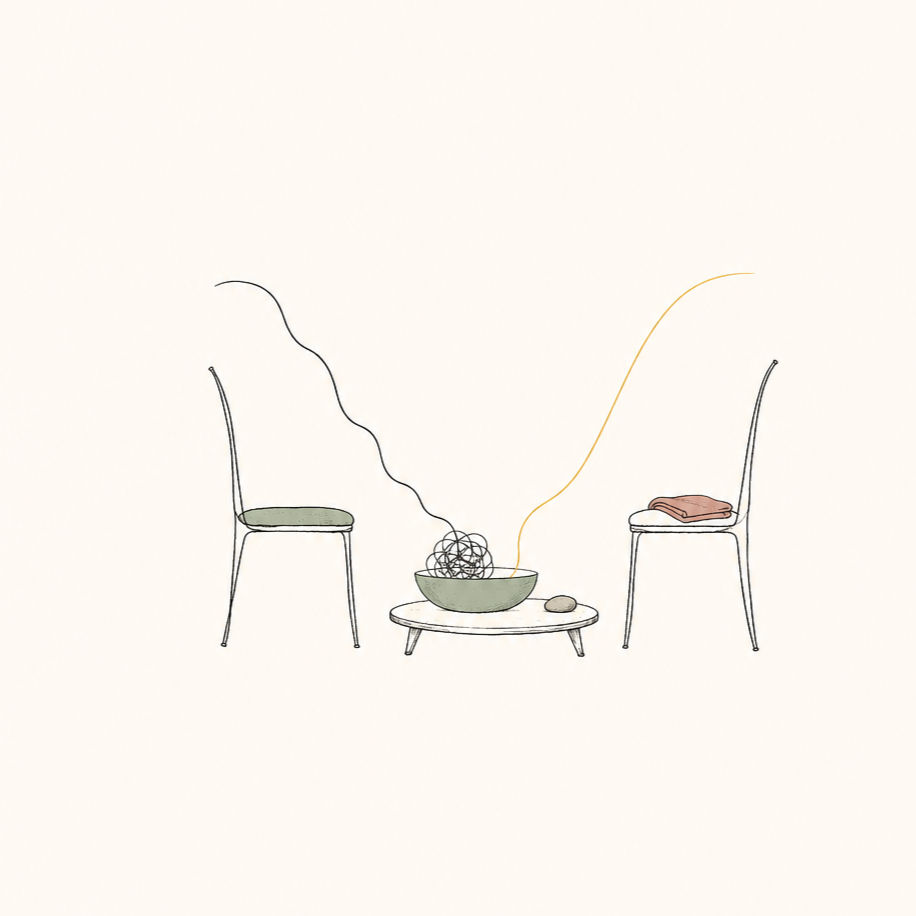
Empathic Listening
The orientation of the listener is the basis of empathic listening. As a listener, I try to understand the speaker against the background of their inner world and their outlook on life. I try not to understand them based on my theories, values, or preferences. I stand in their shoes and see the world from their point of view.
The Power of Understanding
Why is this important? One might think people seeking help need guidance, opinions, or illumination of their blind spots. However, according to Rogers (and my personal experience), as soon as the listener makes an effort to listen deeply and accurately, without judgment, it gives the speaker the opportunity to understand the meaning of what they say. This provides the courage, inspiration, and safe space for deeper investigation of their problems.
The Challenge of True Empathy
While this may seem simple, truly empathetic listening is challenging. The human tendency to advise, share life experiences, agree or argue based on our perspective is strong. Even expressing agreement can reduce the speaker's feeling of unconditional acceptance. Agreement communicates an underlying set of values, which contradicts the principle of unconditional acceptance.
Openness and Honesty
Another point Rogers emphasized is the importance of openness and honesty on the part of the listener. When listening deeply, we must be aware of our emotional state. If we are angry or anxious, pretending not to be or telling ourselves we shouldn't be triggered will lead to failed listening. Honesty from the listener inspires honesty from the speaker, while concealment leads to concealment.
Balancing Acceptance and Honesty
Unconditional acceptance can sometimes contradict honesty. We can't be empathetic unless we do our inner work and process points where the topic or speaker activates us. Active listening is measured by how well the listener tunes in empathetically, offers unconditional sympathy, and positions themselves honestly and openly in the conversation. The proof is in the result: if the speaker understands themselves better by the end of the conversation, it shows that deep listening has occurred.
True Empathy in Action
True empathy is also about flexibility. If the speaker needs advice, the most empathetic response might be to simply give the advice, rather than sticking rigidly to principles.
By following these principles, we can offer meaningful support and help others understand themselves better, fostering growth and development in our relationships.
Recommendations by Amalia Rosenblum
Documentary: Man on Wire (2008)
In the summer of 1974, Philippe Petit enlisted friends to stretch a steel cable between the Twin Towers and walk on it. Their secret operation overcame security obstacles, resulting in James Marsh's fascinating film about courage, imagination, and friendship.
Book: Let the Great World Spin by Colum McCann (Am Oved, 2013)
Set on the day Philippe Petit walked a tightrope, this literary masterpiece intertwines the lives of diverse characters in 1970s New York. Translated into over 30 languages and winning numerous awards, it's a book I will never lend—let others buy their own copy.
Family Activity: Making a Board Game
I was born in New York in 1974 and grew up in Jaffa in the '80s. On rainy days, my brother and I made board games. Creating the game was as exciting as playing it. Recently, my son and I made a car racing game, using cardboard, markers, scissors, and dice. The preparation was enjoyable, and playing with family brought immense pride and joy.
Engaging in such activities fosters creativity, quality time, and valuable life skills.