

How’s your mom doing?
My life in the Shadow a Borderline Parent
For years, I’ve written about relationships, psychology, and the hidden mechanisms that run our lives.
But this book isn't just another column; it’s my attempt, both as a daughter and a psychologist, to make sense of a story that was simply too big for me to carry for most of my life.
My mother passed away in early 2024. From a tin box filled with letters from the 1950s and a deep dive into our family’s digital archive, I’ve tried to trace the woman she was before she became "my mother" - a charismatic girl who searched desperately for validation and intimacy, but didn’t always know how to hold onto them.
In this memoir, I describe what happens when a home becomes an arena where reality itself can't be trusted. I examine the "dance" between Borderline Personality Disorder (BPD) and chronic depression, and how that dynamic seeps into every relationship - between parents and children, between partners, and between a person and themselves. It is a journey into "Cluster B," a place where emotions are dramatic, the fear of abandonment is a powerful engine, and suffering often becomes the primary language spoken at home.
This is not an indictment. I wanted to understand how the girl I was always felt she had to "fix" her mother’s world, and how the family myths we built - of a dominant father and a "victim" mother - were only a fraction of the truth.
How’s Your Mom Doing? is for anyone who grew up feeling that something was "off," but never received confirmation that what they knew was the truth. It is an attempt to dismantle the deadlock where one person's safety is another's pain, and to find, within those cracks, a place where movement can finally begin again.


"אני סובל כי אחרים מצליחים": ככה נראה דיכאון נרקיסיסטי
תסמינים כמו קנאה עזה בהצלחה של אחרים, הסתגרות חברתית ותחושת כישלון, לצד פנטזיות גרנדיוזיות על תהילה, עשויים להעיד שלא מדובר בדיכאון הקליני המוכר. מה זה "דיכאון נרקיסיסטי", למה הוא דורש התערבות שונה ואיך מנהלים אתו דיאלוג?
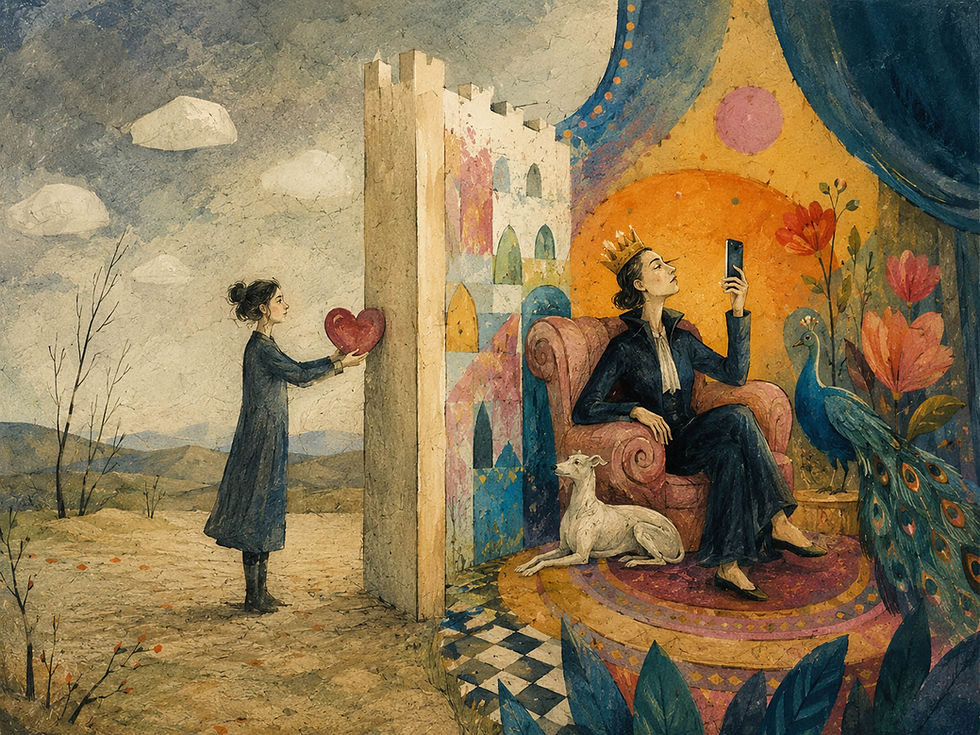
ככה לא אומרים תודה: המילה שמרתיעה נרקיסיסטים
מאחורי חומת ה"תודה": מבט פסיכולוגי על אנשים המתקשים להכיר בנתינה של אחרים ומעדיפים לשלוח גיף במקום
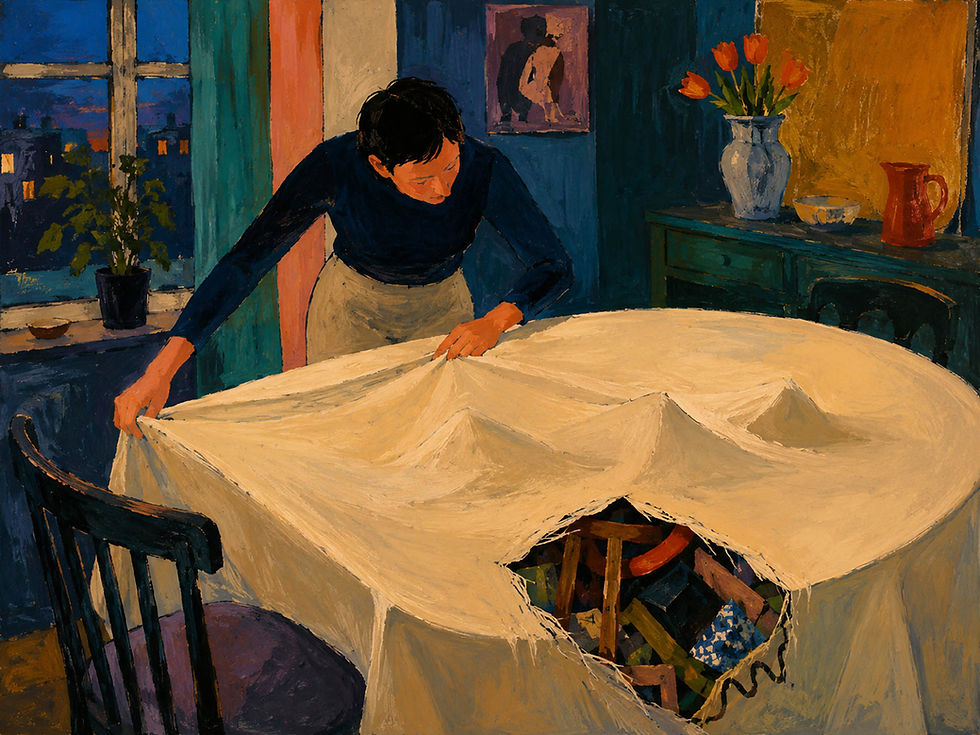
תיראו מושלמים: כך נשמעת חרדה נרקיסיסטית
מאחורי ההתנהלות המושלמת: כשהחרדה אינה מפני מה שעלול לקרות אם תיכשלו – אלא מפני מה שהכישלון עלול לחשוף עליכם

הוציא עלינו חוזה: האם הרצל היה נרקיסיסט?
ייתכן שבנימין זאב הרצל סבל מהפרעת אישיות נרקיסיסטית — שממנה צמחה פנטזיית גאולה לאומית. אבל מה קורה כשהחזון הזה הופך לנרקיסיזם קולקטיבי, שדוחה כל ביקורת ומתנהל בעיוורון מוסרי מתמשך?

למה סכיזואידים נמשכים להפרעת אישיות היסטריונית?
על ההפרעה הסמויה שאנחנו מבלבלים עם נרקיסיזם והדינמיקה הזוגית הבעייתית בין קרמיט ומיס פיגי

"חשבתי שזה מה שגם את רוצה": השיטה המתוקה של הנרקיסיזם
מה קורה כשמאחורי הכוונות הטובות עומד מנגנון של מחיקת הזולת, למה הוא מתגלה דווקא במחוות של נחמדות – ומה תפקידנו בדינמיקה שבה אנחנו משמשים כניצבים בסרט של מישהו אחר?

"מה לא בסדר איתי?": כשהשאלה המרכזית בטיפול היא לא השאלה הנכונה
מה קורה כשהחיפוש האובססיבי בטיפול אחר תווית קלינית מדויקת לבעיה היא הסחת דעת מהשאלה האמיתית - שהתמודדות עימה עלולה לחשוף את הכאב שהיא מסתירה
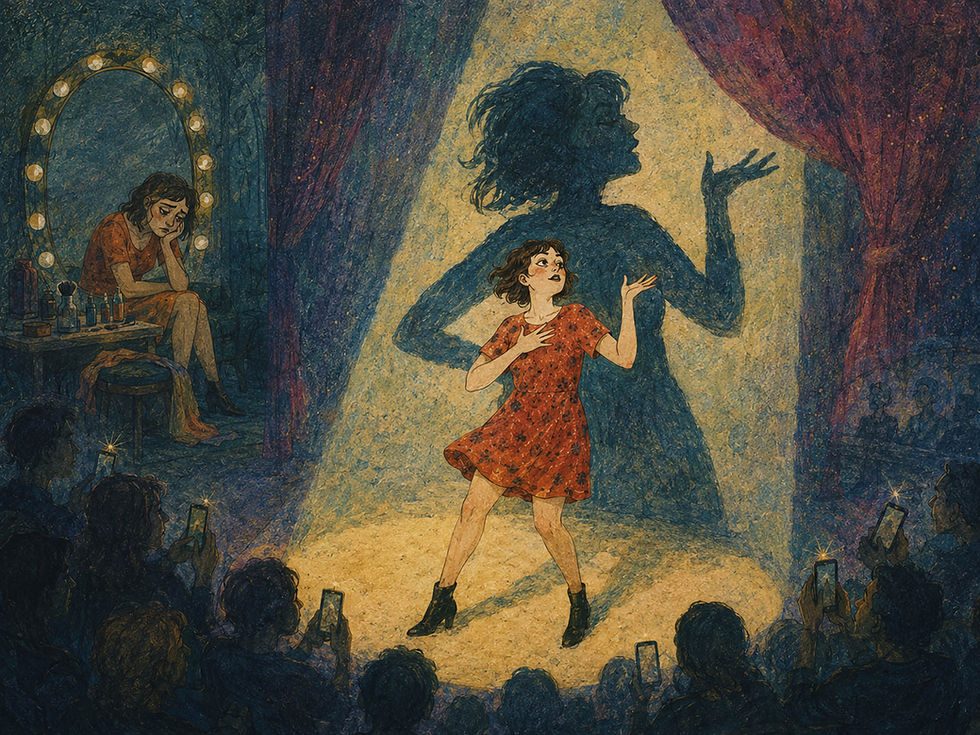

Understanding Dopamine: The Key to Motivation and Pleasure
Exploring the Role of Dopamine in Our Emotional and Mental Well-Being

Unraveling "Psychedelic Love Story": Exploring Borderline Personality Dynamics
A Psychological Journey Through Joanna Harcourt-Smith's Narrative
