

All mothers are difficult but some are more difficult
lines for the image of the borderline mother
Women with borderline personality disorder face extreme fluctuations in mood and sense of self, which have financial, physical, friendship and family consequences. The ones who suffer from this are the children who develop hard feelings towards their mothers
Share on Facebook
Share on WhatsApp
Share an article by emailShare an article by email
Sending the article as a gift
Beyond talkbacks
12
keep
Save the article to the reading list
Zen reading
Print an article
Switch to gallery view
Photo: HBO
Amalia Rosenblum
Receive alerts in your email inbox for articles from Amalia Rosenblum
Email notifications
May 28, 2020
Nega (all names are fictitious, all stories with permission) dreamed at night that she was stabbing her mother in the heart. When she talks about her her face is covered with an expression of disgust. I asked her why this was happening and I asked her to explain what kind of disgust, and she replied: "Like finding something moldy in the fridge." It's not easy to say such a thing about your mother, but Naga's mother can really drive her daughter crazy and then trigger her guilt in a short WhatsApp message. In fact, she does so with such ease that Naga blocks her mother out for long periods.
Rinat talked about how her mother spreads checks without backup, and muttered: "Why can't she die already?". The mother is able to put her under so much mental stress when they talk, that she makes sure not to talk to the mother while driving because she was almost involved in a car accident twice because of emotional turmoil.
- Advertising -
Michael talked about the feelings of guilt that his mother arouses in him after abusing him and his family for years, and said: "It would have been so much easier for me if she had just died." Michael does not answer any phone calls from his mother, and he also reads the messages he receives from her only a few days after they arrive, to save himself stress. He doesn't answer most of the messages. From time to time, when he tries to communicate with the mother, the conversations end in despair.
Naomi is completely indifferent to her mother's suicide threats, not because she doesn't believe her but because she imagines her mother's name will bring relief to her and her sister. The sisters support Aman financially and Naomi makes sure to talk to her on the phone once a week, but she doesn't invite her home and is unable to kiss or even hug her. She only meets her mother at her sister's house: "I can't bring her home," Naomi explains to me. "When she's in the living room, I feel like a snake is writhing on the floor." Like Nega, Naomi blocks her mother by phone for many months.
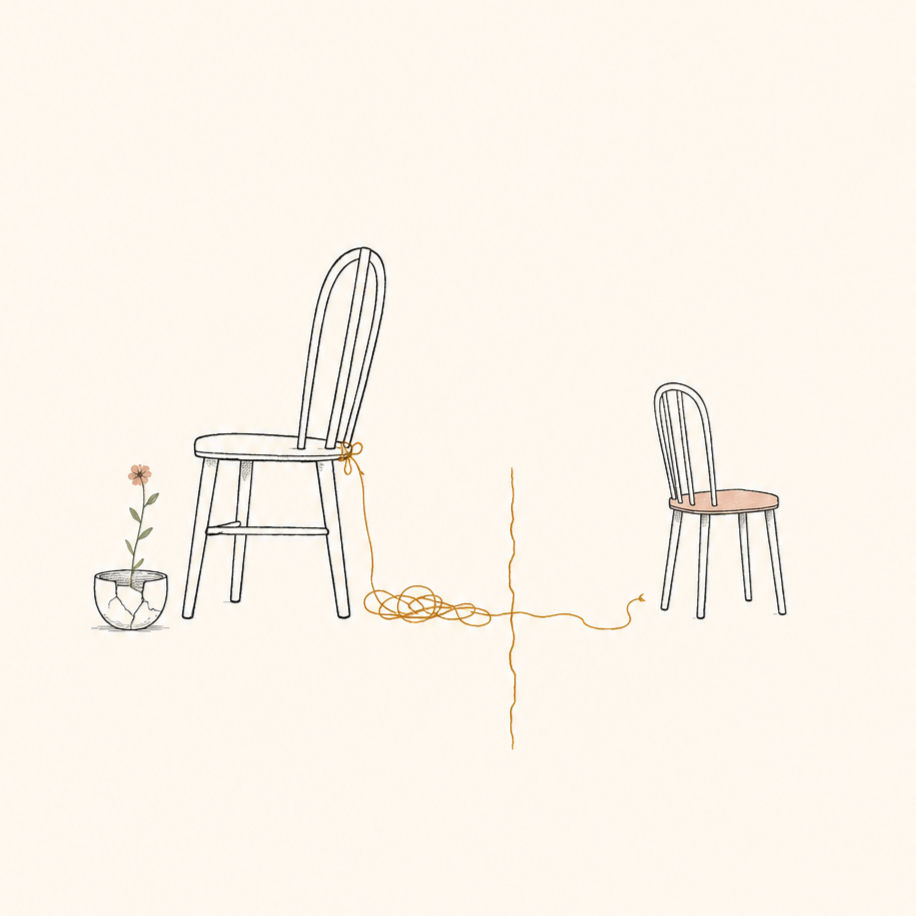
What Nega, Rinat, Michael and Naomi and quite a few others have in common is that they are adult children of mothers who suffer from borderline personality disorder. This disorder, which is commonly called by its foreign name "Borderline" (a problematic label, which itself has become a derogatory term among many therapists), is a tormenting disorder for the person and for his immediate environment.
How mothers with borderline personality disorder harm their children
Spouses with borderline personality disorder: this is how you will survive the most difficult divorce
Who are the hardest people to divorce?
Those who suffer from it usually lead unstable relationships, and emotionally live in a roller coaster seat. His life is characterized by extreme changes in his sense of self and fluctuating moods. In direct connection with this volatility, many times the "Borderline" behaves impulsively which has severe consequences - financial, physical, interpersonal and other. Each of the Borderline mothers of the patients I mentioned, and of other people who have such parents, had a difficult childhood themselves.
The hallmark of the Borderline mother is the combination of the following three elements:
1. Background story of a mother who neglects or abuses the child
Many times there is no obvious physical violence involved in the story, the kind we imagine when we hear about domestic violence. As a child, Naomi's mother could take the girls on vacation and cry all weekend long, telling them that she was crying because their father was mentally abusing her. In adulthood, the mother told all mutual acquaintances that Naomi, who supports her mother mentally, is taking advantage of her financial weakness to molest her.
2. The adult child's lack of affection for the mother
From my limited experience, the wish that the mother would die - which was repeated in the examples with which I opened the list - is a unique component of this dyad. I understand it mainly as a wish that the suffering involved in the relationship with this parent will stop. In addition, as you can see in the examples, many times the adult children feel physically disgusted by the parent and find it difficult to touch him.
3. The adult child's feeling of guilt for his emotional relationship with his mother
The feeling of guilt is a result of the dynamic with the mother and it is also at the basis of periods of escalation between the two, because naturally the mother pushes the buttons that she herself has set. For example, Naomi does not see her mother for a long time and carries feelings of guilt about it. During a phone call, the mother plays with Naomi's feelings, and brings her to a situation where she loses her temper, speaks violently to the mother and hangs up the phone. After the momentary relief that the stimulation has stopped, Naomi's feelings of guilt are of course expected to grow stronger, and God forbid.
These feelings of guilt are also related to the common wish among children of Borderline mothers: the death of the mother. Even if it is only a fantasy that does not indicate bad intentions but rather the extent of the fantasizer's suffering, it is clear that these thoughts are a guilt-inducing taboo. My impression is that it takes a high level of mental abuse from a parent for a person to self-soothe through these fantasies. To a large extent, when a person sits across from me and says that this is what he would like to happen, this is a significant hint that he has a borderline mother.
In a questionnaire called "How borderline is your mother?" I found extreme examples
And for that. It has questions like: How much better would your life have been if your mother had died at your birth? If the law allowed a man to kill his mother with impunity, which weapon would you choose? Your mother just died and was buried, what dance will you perform at her grave?
But it's not just the children's suffering: the tragedy is double because these mothers are also dealing with wounds from their own childhoods, and they are usually also suffering because of the poor relationships they have with their adult sons and daughters. And yet, there is no relief in this news from the point of view of the adult child.
If you are adult children of a Borderline mother, there are no magic solutions. The recommendation is to go to therapy, in the hope that it will help you understand that the rage you feel towards your mother is a natural reaction given the chronic emotional damage you experienced in your childhood. In this way you can at least reduce your feelings of guilt, thereby preventing the escalation of the loop between you and reducing the risk to your children that you have in your relationship with them.